5 Tricks to Get Better Sleep When You’re Sick
Everyone knows that good sleep and rest can be the key to quickly recovering from illness, but unfortunately, the sickness itself can make that a big challenge.
The result is a vicious cycle. You know several hours of sleep would help you feel better, but feeling awful is preventing you from falling (or staying) asleep in the first place. Not getting the rest you need can prolong your illness, while stressing over rest and being exhausted yet unable to sleep makes the process even more miserable. Thankfully, there are a few tricks you can implement for small improvements to your sleep. They may not be a magic cure, but they can make the road to health a tiny bit easier.
Get Into an Optimal Comfy Position
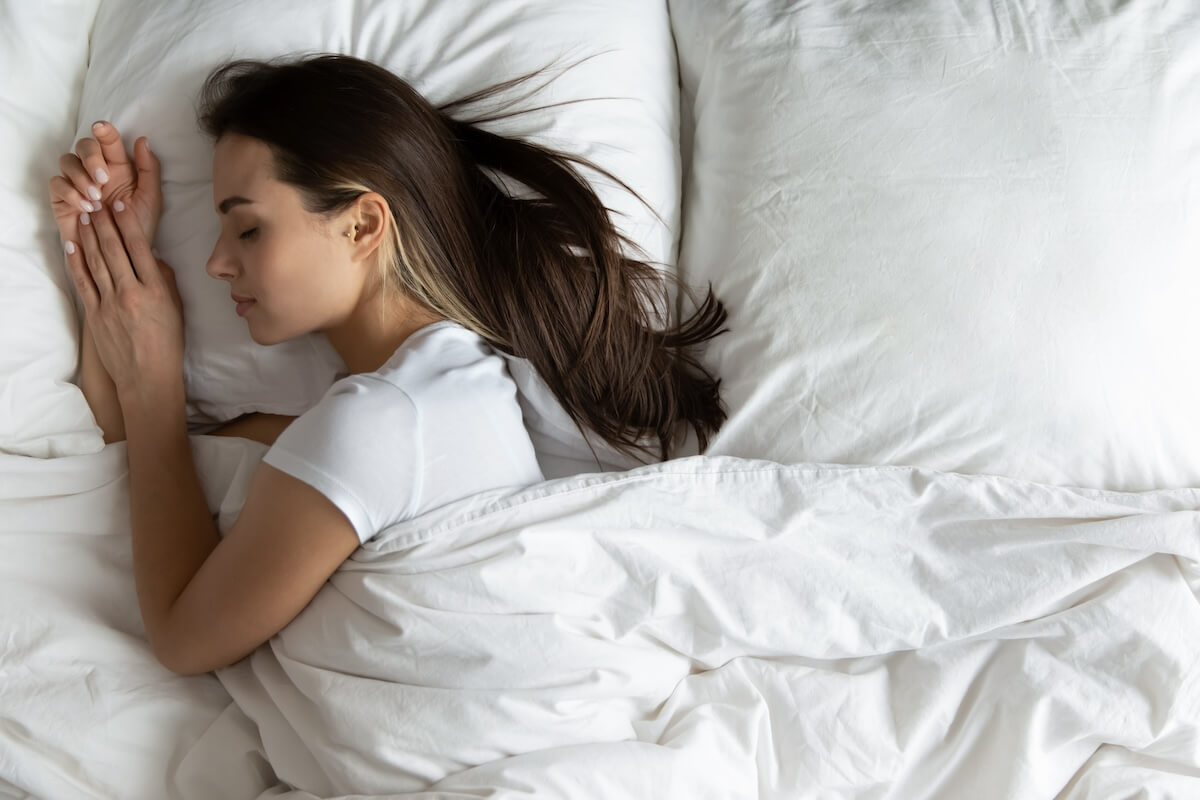
Most people have a preferred sleeping position that they rarely deviate from, but when you're sick, it might be wise to change it up, based on your needs. For example, if you're coughing, congested or suffering from a runny nose, it may be helpful to sleep on your side. This can prevent postnasal drip from worsening sore throats and coughing. Elevating your head with an extra pillow can also make this situation more comfortable.
For feeling nauseous, you may be tempted to sleep on your back, so it doesn't affect your stomach, but doing so can actually put additional pressure on the tummy. We also recommend sleeping slight on your side, with your knees pulled slightly up, if possible, to lighten pressure on the stomach.
(via Shutterstock)
Also read about: 7 Ways to Improve Your Sleep Hygiene in the New Year
Curate a Comfortable Temperature
When you're sick, your internal temperature can be all over the place. Depending on the illness, you might be feverish and hot, or suffer from cold chills. Start by getting the room to a comfortable temperature for your current situation, whether that's by adjusting the thermostat or turning on a fan or space heater. Dress appropriately, with light, short-sleeved pajamas if you're too warm or cozy, thick ones if you're chilly, with sheets to match. Sometimes, an illness will have you feeling hot one moment, then cold the next. In this case, having layers of blankets that allow you to adjust your coverage based on how you're currently feeling can be highly beneficial.
Soothe Your Most Irritating Symptoms
One of the things that makes sleeping when you're sick so challenging is the accumulation of pesky and irritating symptoms. While you can't make them all go away, there may be ways to soothe the issues that are causing you the most grief.
For example, when you're dealing with a fever, most over-the-counter pain relievers (including ones made with acetaminophen, aspirin and ibuprofen) will also act as fever reducers. They can provide a nice double-whammy before bed if you're also suffering from body aches and pains. You may also try treating sore muscles with a hot water bottle or heating pad, or using a topical pain relief medication.
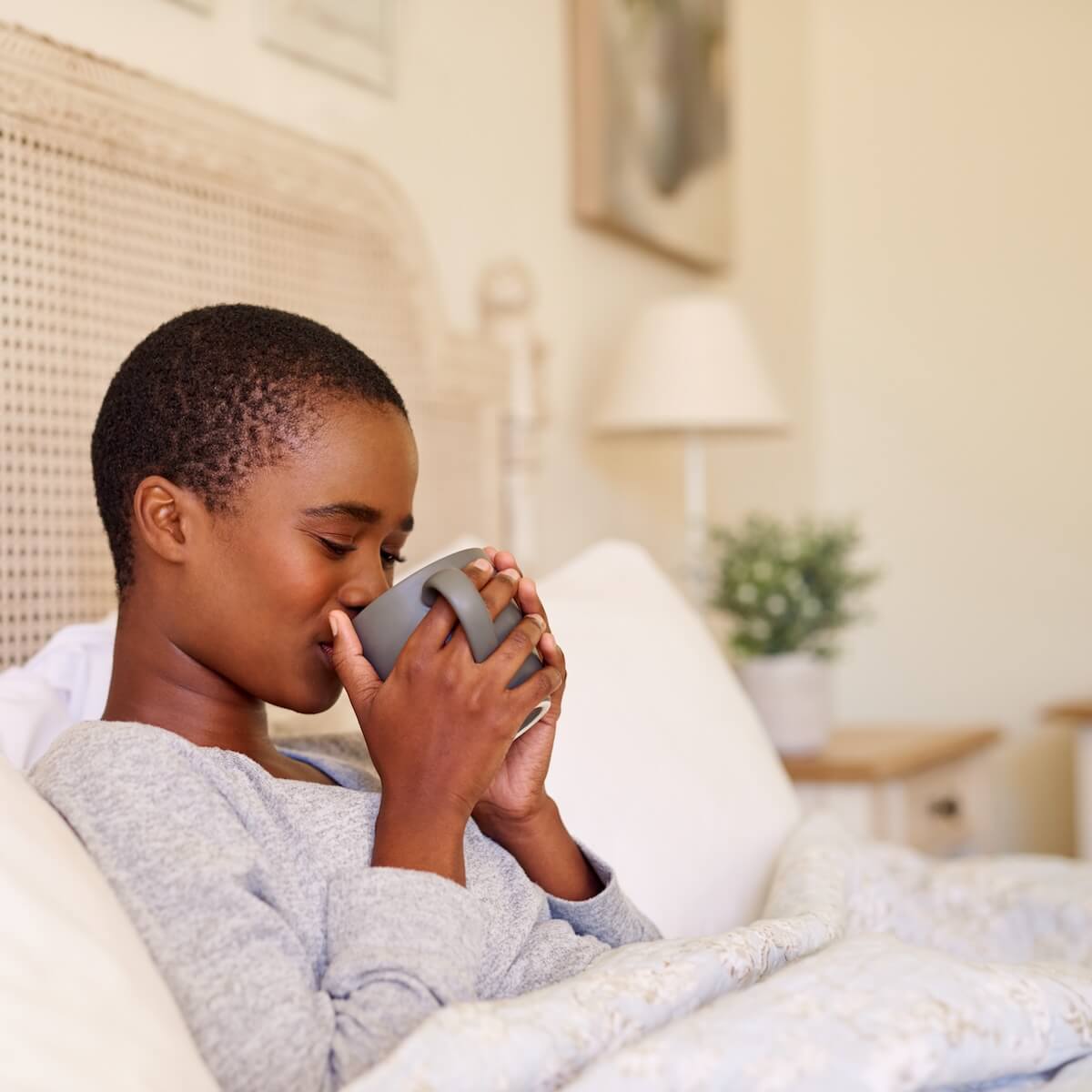
Warm drinks are also excellent, not just because you put you in a sleepy mood, but because of their healing benefits. An herbal or mint tea (without caffeine) or even hot water can do wonders for throat pain and reduce disruptive coughing, especially flavored with lemon and honey as a natural remedy. Ginger tea can also calm upset stomachs and calm nausea, as a supplement to indigestion medicine.
Also, if you're feeling dried out, you may want to use a humidifier. Adding eucalyptus or peppermint essential oils as aromatherapy can also sooth congestion, while scents like rose and lavender can work to promote sleep.
(via Shutterstock)
Also read about: The 7 Kinds of Rest Your Brain and Body Need (and How to Get Them)
Keep Useful Items Nearby
Waking up in the middle of the night feeling unwell is annoying, but if you have to get out of bed for any reason, that can make it even tougher to fall back asleep. Sometimes, this is unavoidable, but we recommend having the things you might need close by for your convenience. This can include everything from a glass of water to stay hydrated to tissues for runny noses and cough drops for aching throats. Some medicines (including pain relievers) may also recommend a dose in the middle of the night if you happen to be awake, but check with your doctor to see what might make the most sense for you.
Be Patient
You may not want to hear this, but one of the best things you can do to get more sleep when you're sick is to simply be patient and give yourself permission not to stress about sleep. Give yourself extra time to fall asleep and stay asleep, and do what you can to eliminate stressful factors—for example, reminding yourself it's okay to call out sick. When you're not well, we also recommend sleeping when you're tired, even if that means taking naps throughout the day and possibly messing with your sleep schedule. All of the typical sleep hygiene tricks, like keeping your space dark and quiet and avoiding phone usage right before bed, may also help. Listening to sleep meditations, white noise or calming music to set the mood for rest can also block outside sounds while creating the right environment for you to fall asleep.

(via Shutterstock)
You may also want to try out THESE classic tricks for falling asleep faster.